Procedures
Maxillofacial and orthognathic surgery in Paris: our procedures
- Orthognathic jaw surgery in Paris
- Mandibular osteotomy in Paris
- 3D orthognathic planning in Paris
- Genioplasty
- Chin-wing genioplasty
- Wisdom teeth
- Dental implants and bone grafting
- Rhinoplasty
This hub lists our procedures. Dedicated pages: orthognathic jaw surgery in Paris, mandibular osteotomy in Paris and 3D orthognathic planning in Paris.
Maxillofacial surgery in Paris and mandibular osteotomy
Maxillofacial surgery in Paris encompasses a wide range of procedures designed to correct functional or aesthetic anomalies of the face. Among them, mandibular osteotomy in Paris plays an important role in the treatment of jaw misalignments. At Orthognathic Paris, our team supports every patient with precision and care throughout their orthognathic jaw surgery journey. This procedure improves both function and the overall harmony of the face.
What are the goals of mandibular osteotomy?
Mandibular osteotomy involves repositioning the lower jaw to correct its alignment with the rest of the face. This jaw surgery procedure mainly concerns patients with skeletal malocclusion. The goal is to restore an optimal balance between aesthetics and function, with improved chewing, breathing and, in some cases, speech.
Various symptoms may lead to a recommendation for mandibular osteotomy, including difficulty bringing the teeth together properly, a receding or prominent chin, or certain cases of sleep apnea related to a set-back mandible. This procedure helps restore a harmonious profile and can improve functional comfort as well as self-confidence related to facial appearance.
How is a mandibular osteotomy performed in Paris?
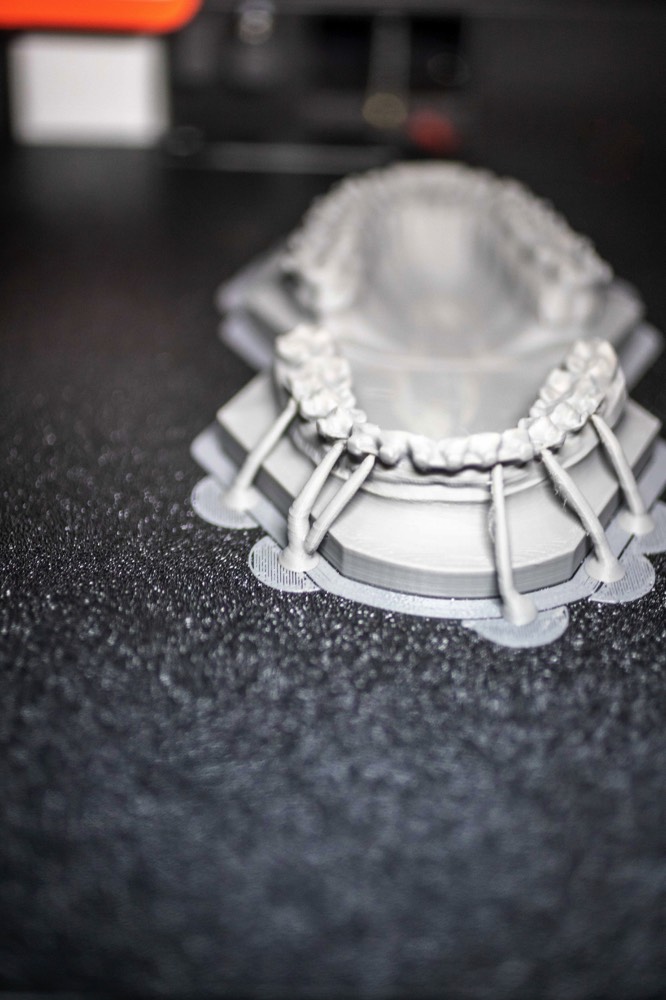
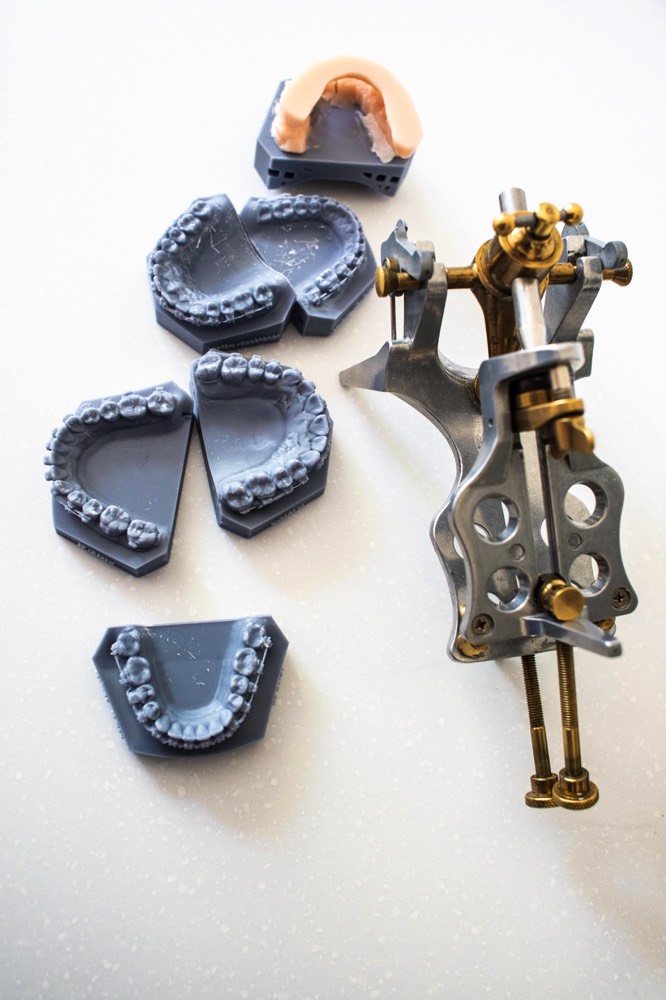
Before any procedure, preparation begins with a full clinical and radiological assessment. Our partner orthodontists are involved to ensure optimal dental alignment before surgery. 3D orthognathic planning in Paris and a 3D simulation may also be carried out to anticipate the final position of the jaw as part of the orthognathic surgery.
Coordination between the various specialists — maxillofacial surgeon, orthodontist and anesthesiologist — helps ensure precision and safety throughout the care pathway. The patient receives clear information about the expected benefits and the risks associated with maxillofacial surgery.
During the procedure, the surgeon makes incisions inside the mouth, leaving no visible scar on the face. The mandible is repositioned according to the surgical plan defined beforehand, then stabilized with titanium mini-plates and screws. Depending on the complexity of the case, the procedure generally requires a short hospital stay.
Post-operative follow-up continues through consultations to support recovery and monitor bone healing. Tailored recommendations are given regarding diet, oral hygiene and the management of postoperative recovery. Our multidisciplinary team is committed to supporting every patient under the best possible conditions throughout their recovery.
Which conditions may call for a mandibular osteotomy?
The main indications are dentofacial deformities, such as a significant misalignment of the lower jaw, pronounced facial asymmetry or certain craniofacial malformations. In some cases, a genioplasty may complement the procedure if the projection of the chin requires additional adjustment to harmonize the facial profile.
Beyond the aesthetic aspect, these conditions can cause significant functional discomfort as well as certain sleep disorders. By integrating mandibular osteotomy into a personalized treatment protocol, maxillofacial surgery provides a tailored and lasting answer to each patient’s needs.
What benefits can you expect from maxillofacial surgery in Paris?
- Improved dental occlusion and jaw balance
- Correction of chewing difficulties and improvement of certain speech issues
- A more harmonious profile and better facial balance
- Improved breathing comfort in certain cases of retrognathia
- Positive impact on well-being and self-confidence
- Comprehensive care combining orthognathic surgery, 3D surgical planning and personalized follow-up
Orthognathic Paris offers its expertise in maxillofacial surgery to guide every patient toward a lasting improvement in their quality of life. Each treatment is based on attentive listening, a personalized assessment and the use of modern orthognathic surgery techniques.